Psychological & Psychosocial Safety Advisory
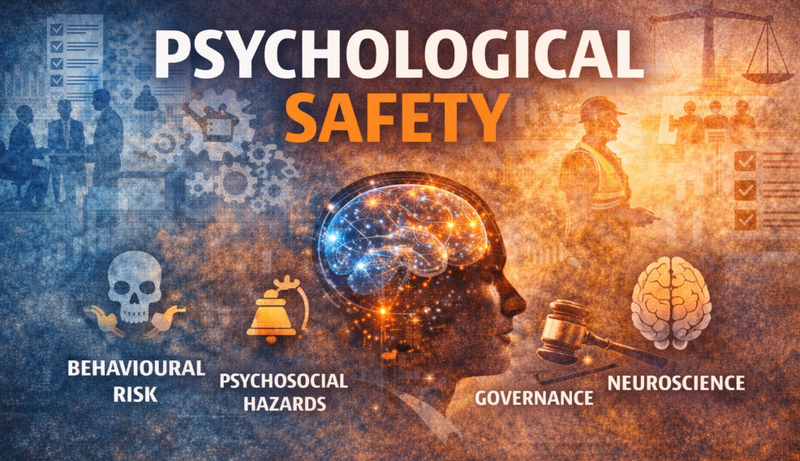
Psychological Safety Advisory
Robust Leaders provides independent advisory support to help organisations meet their work health and safety and governance obligations for psychological health, particularly where leadership behaviour, decision-making under pressure, or organisational systems are creating psychosocial risk.
Psychological safety is often misunderstood as a cultural or wellbeing initiative. In practice, it is a WHS and governance issue. Once psychosocial concerns are raised, organisations are legally required to take reasonable and documented steps to identify hazards, assess risk and implement effective controls. Robust Leaders supports organisations to respond lawfully, proportionately and defensibly when these obligations are engaged.
Our approach recognises that psychosocial risk is shaped by human behaviour and neurobiology, not policies alone. Drawing on neuroscience, psychology, WHS and governance expertise, we help organisations understand how threat, fear, power dynamics and leadership responses can unintentionally escalate risk, silence reporting and undermine safety outcomes.
What We Do
We work with Boards, executives, WHS and HSEQ leaders, HR teams and operational managers to provide independent insight and practical guidance across:
Governance and officer oversight of psychosocial risk
WHS and psychosocial hazard identification and response
Leadership behaviour and accountability under pressure
Speak-up culture and reporting risk
Cultural and behavioural risk exposure
Incident, complaint and post-event response
We are often engaged where matters involve senior leadership, internal processes are conflicted, or independence is required.
How We Work
Advisory services may be delivered as:
Scoping and review projects
Independent psychosocial risk assessments
Board or executive advisory support
Short-term or ongoing retainers
Our role is to support informed decision-making, reduce escalation and strengthen governance assurance at critical points.
What Organisations Can Expect
When engaging Robust Leaders, organisations can expect:
Independent, evidence-based insight grounded in neuroscience, WHS and governance principles
Clarity in complex situations, with focus on where risk is genuinely concentrated
Practical, defensible advice aligned with WHS obligations and regulatory expectations
Calm support during difficult moments, including complaints, incidents, audits or scrutiny
Outcomes
Organisations that engage Robust Leaders typically experience:
Stronger governance clarity and accountability
Reduced psychosocial and behavioural risk exposure
Improved leadership decision-making under pressure
Greater confidence responding to complaints, audits and reviews
Safer, more resilient and more sustainable performance